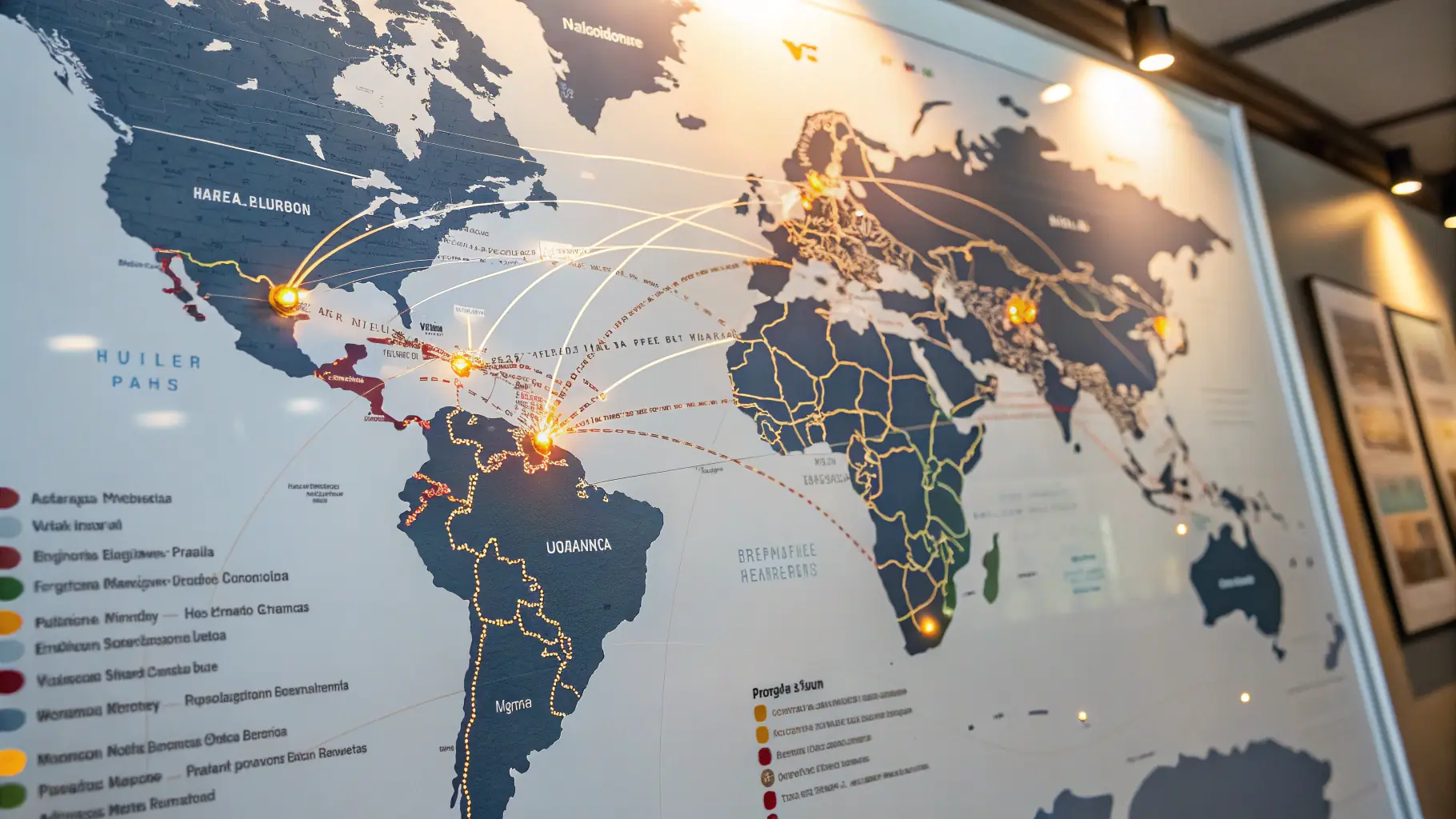
Global supply chains are facing unprecedented challenges, from geopolitical tensions to natural disasters. The interconnected nature of modern commerce means that disruptions in one part of the world can quickly ripple through the entire system. Businesses need to adapt and develop strategies to mitigate these risks and ensure continued operations. This requires a proactive approach to risk management and a focus on diversification. Building resilience involves diversifying sourcing strategies, developing contingency plans, and strengthening relationships with suppliers. Companies are increasingly investing in technologies that enhance visibility and control over their supply chains. This allows for quicker responses to disruptions and minimizes potential losses. Collaboration between businesses and governments is also crucial in fostering a more resilient global supply chain. The future of supply chain resilience hinges on a combination of technological advancements, strategic partnerships, and proactive risk management. By embracing innovation and adapting to changing circumstances, businesses can navigate the complexities of the global landscape and ensure the smooth flow of goods and services. This is particularly important for the UK food industry, which relies heavily on international trade.
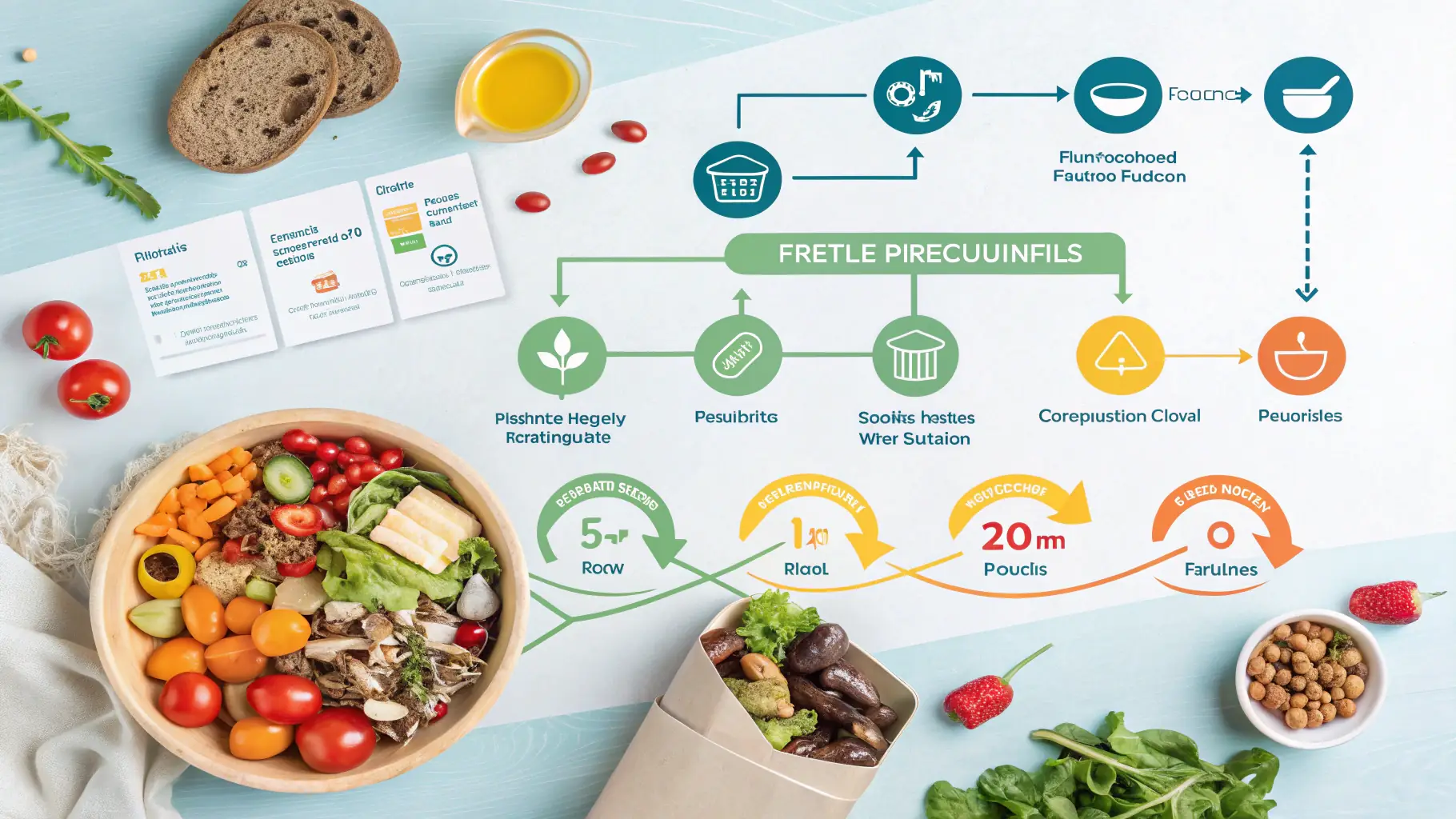
Food Waste Reduction Strategies for UK Businesses
This article discusses effective strategies for reducing food waste within UK businesses, focusing on practical